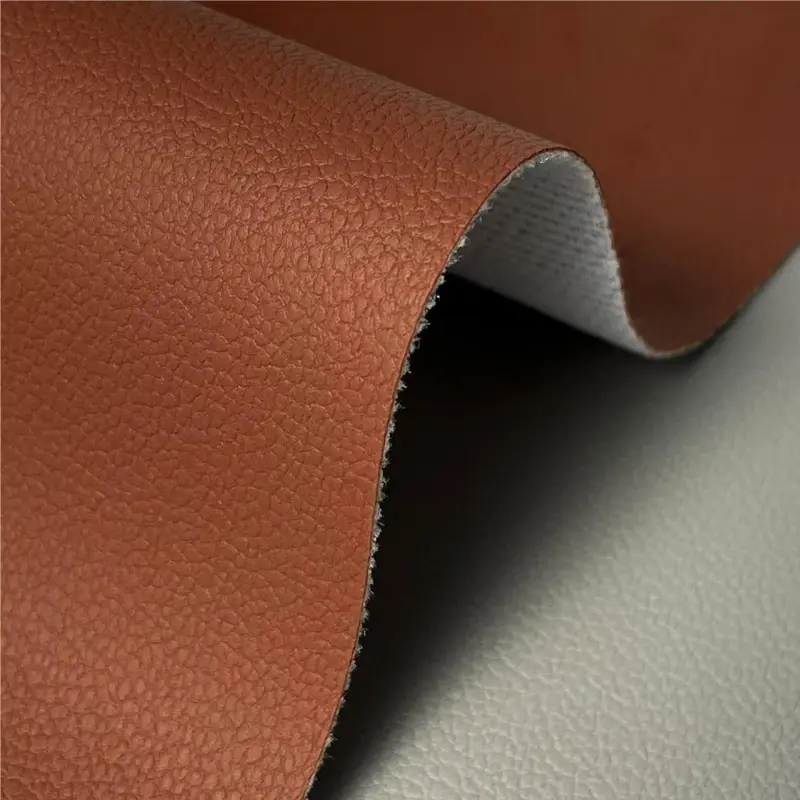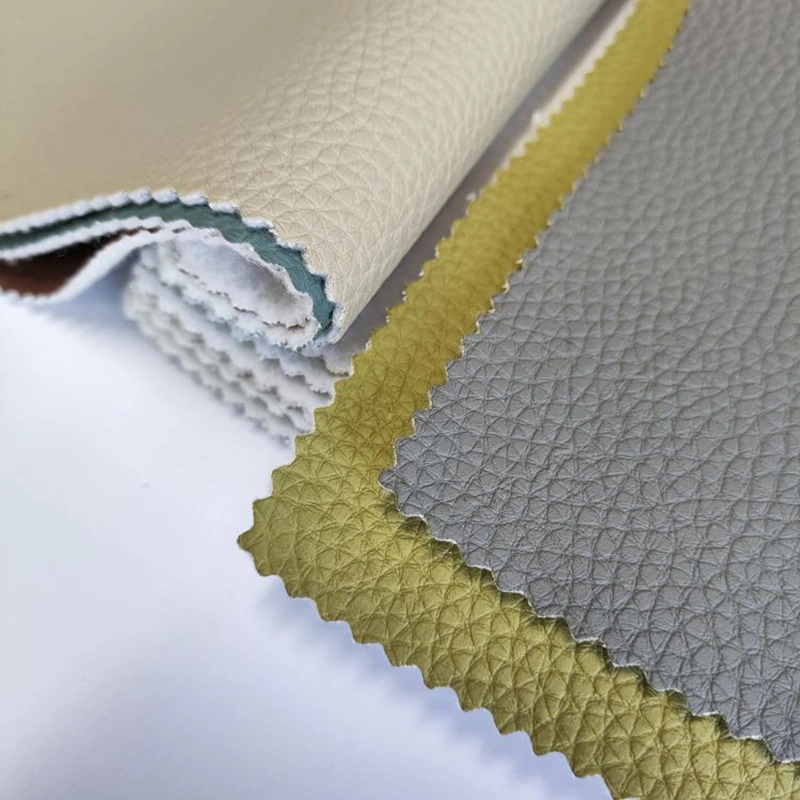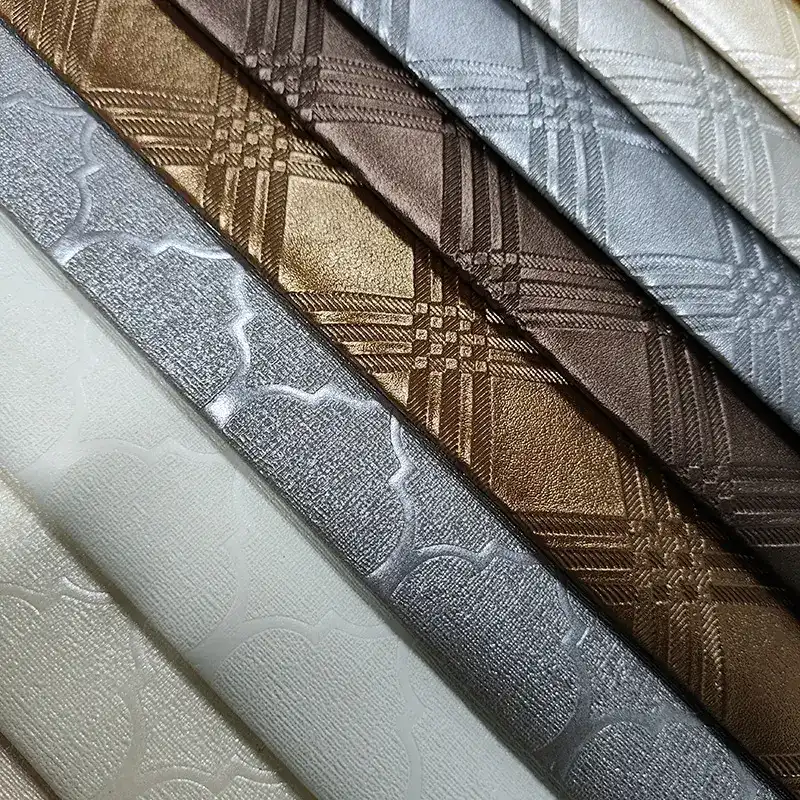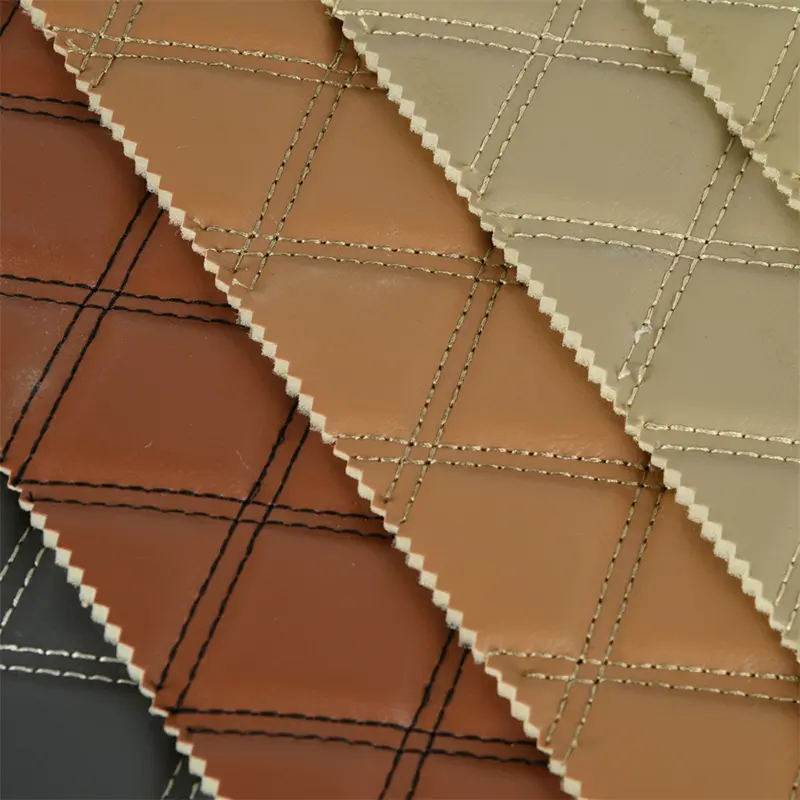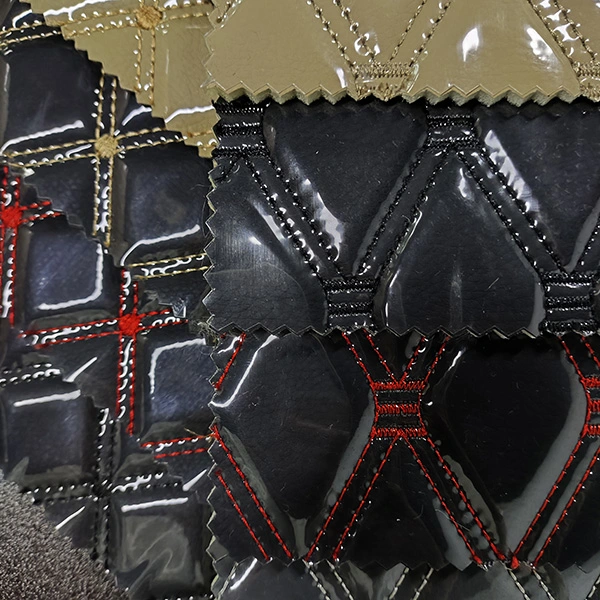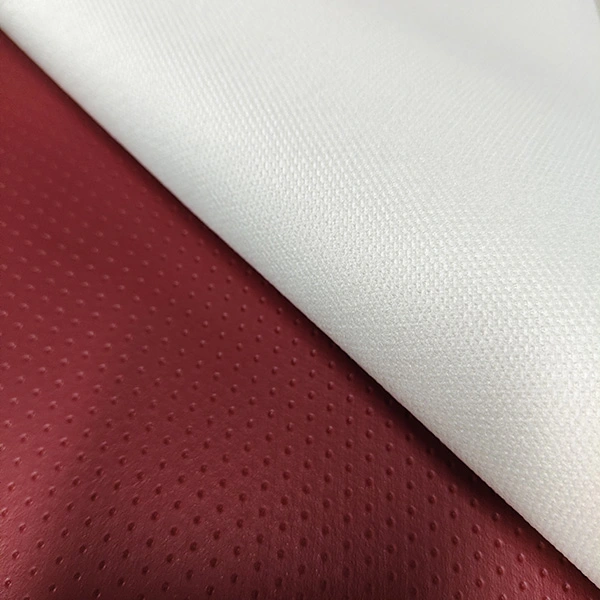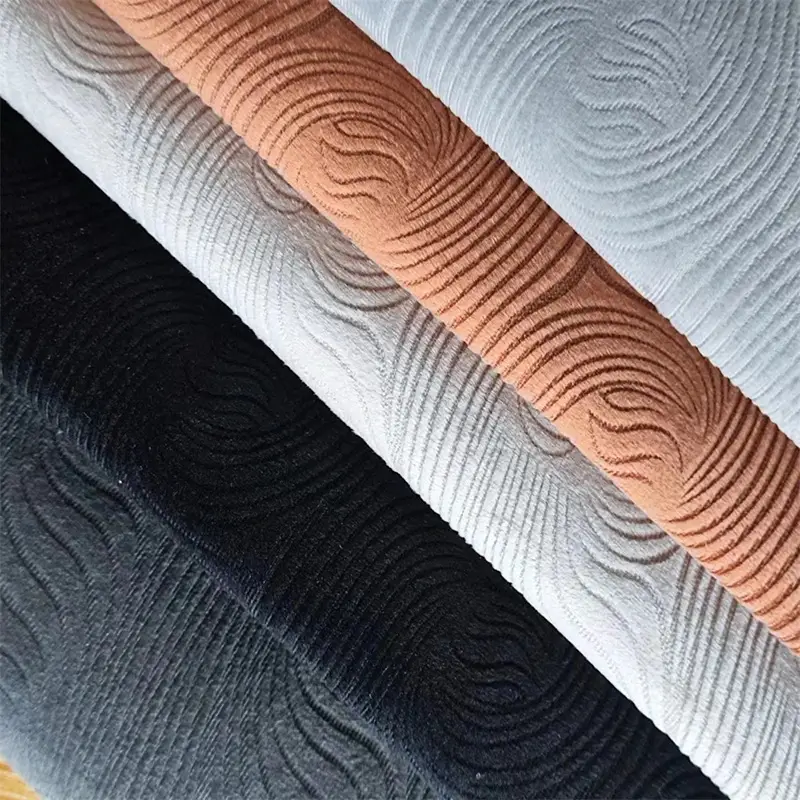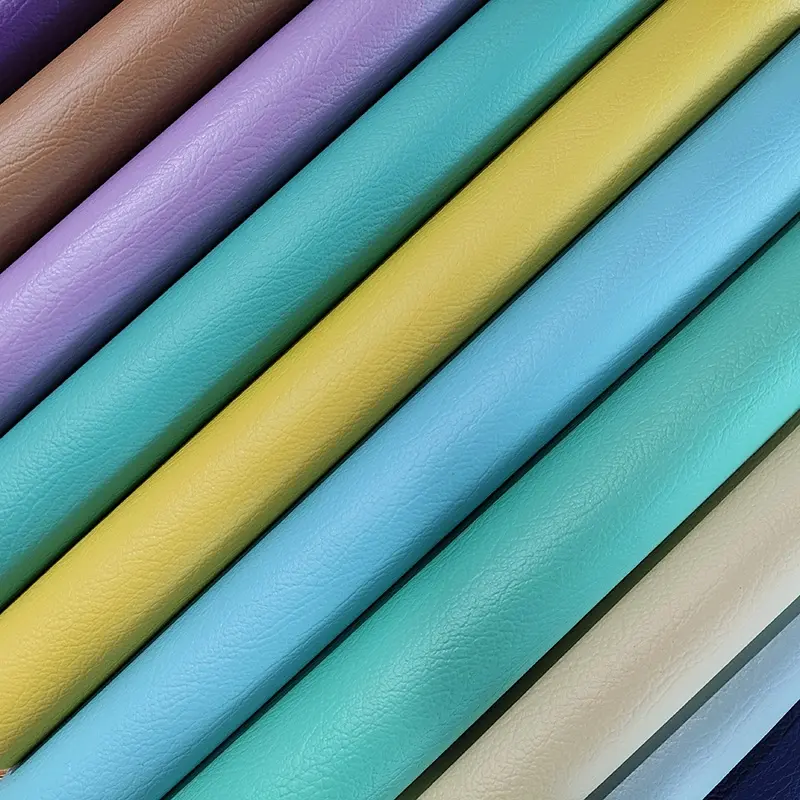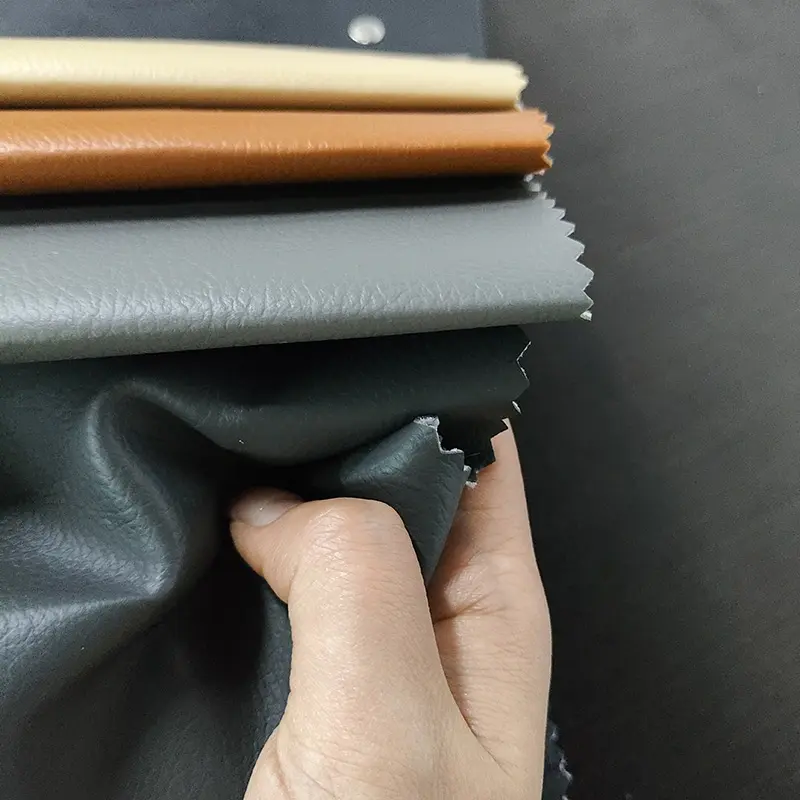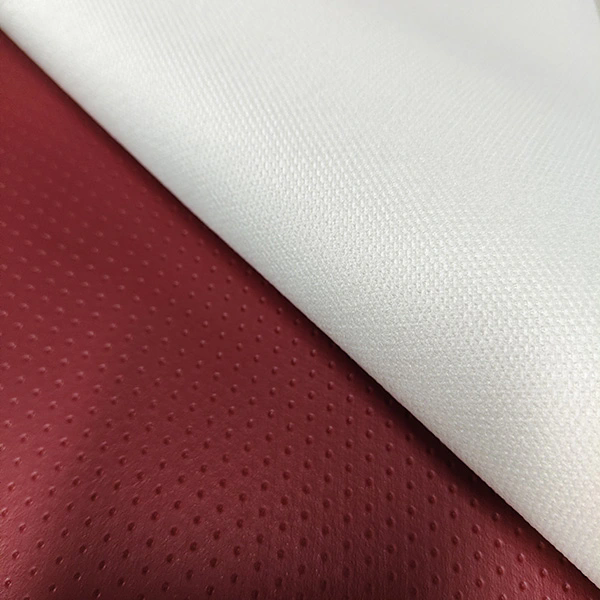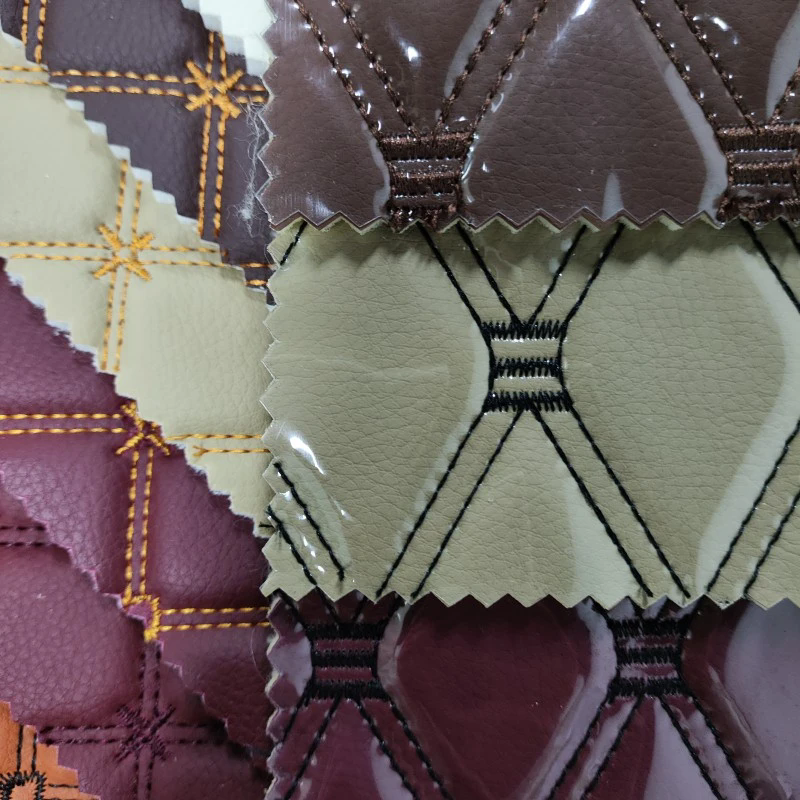
Tissu auto brûlé has emerged as a high-performance textile solution designed specifically for automotive interiors that require durability, aesthetic depth, and long-term functional reliability. This fabric type, engineered through a controlled chemical process that selectively removes cellulose fibers to create semi-transparent patterns, is increasingly used in vehicle seating, door panels, headliners, and decorative trim due to its balance of visual appeal and structural integrity. As manufacturers push for interior materials that combine comfort, resistance, and branding flexibility, Burn Out Auto Fabric has become a preferred option across passenger vehicles, commercial fleets, luxury models, and customized automotive design projects.
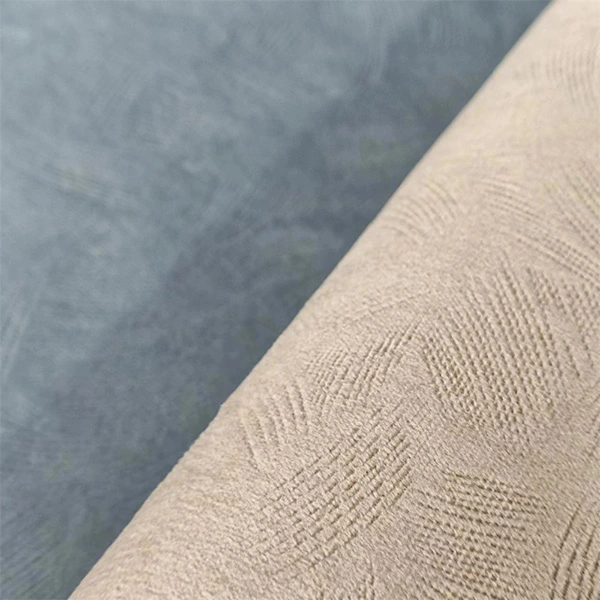
The performance of Burn Out Auto Fabric is determined by a combination of fiber composition, density, weight, abrasion resistance, color fastness, and dimensional stability. These parameters allow automotive engineers and interior designers to evaluate the suitability of the material for specific applications such as high-contact surfaces, decorative applications, or temperature-exposed areas.
| Paramètre | Gamme de spécifications | Description |
|---|---|---|
| Composition des fibres | Mélange de polyester et de cellulose | Fournit une résistance structurelle et permet la formation de motifs d'épuisement professionnel |
| Poids (GSM) | 180-350 G/M² | Ajusté en fonction des sièges, des garnitures ou des applications de panneaux |
| Résistance à l'abrasion (Martindale) | 25 000 à 60 000 cycles | Assure la durabilité pour une utilisation automobile à contact élevé |
| Résistance à la déchirure | Résilience à haute résistance | Convient aux zones sujettes aux contraintes comme les bords des sièges |
| Solidité des couleurs à la lumière | 4e et 5e années | Conserve son apparence sous une exposition continue au soleil |
| Solidité des couleurs au frottement | 4e année | Préserve la clarté des schémas d'épuisement professionnel lors d'une utilisation répétée |
| Stabilité dimensionnelle | ≤ 2% de retrait | Garantit une distorsion minimale lors de la fabrication du rembourrage |
| Style de surface | Modèles d'épuisement transparent/opaque | Permet la personnalisation de l'image de marque et du design d'intérieur |
| Ignifuge | Traitement FR en option disponible | Répond aux normes de sécurité automobile lorsque cela est requis |
| Résistance aux UV | Protection améliorée | Empêche la décoloration ou la dégradation des fibres |
These parameters collectively define Burn Out Auto Fabric’s role as a material that bridges functional performance and design flexibility. Automotive manufacturers require textiles that not only withstand friction, UV exposure, and temperature changes but also support branding and customization, making burnout technology particularly strategic.
Burnout processing enables multilayer visual effects that cannot be achieved through standard woven or knitted fabrics. With selective fiber removal, the textile gains intricate patterns, soft transparency, and contrasting textures that enhance depth and dimension inside the vehicle cabin. These characteristics create visual movement under varying lighting conditions and add a sense of sophistication without increasing material weight.
For premium and mid-range vehicle categories, interior aesthetics directly influence consumer purchasing decisions. Automakers often seek novel surface materials that elevate the perceived quality of seating and panels. Burn Out Auto Fabric fulfills this need by offering attractive patterns that can be customized to match brand identity, regional market preferences, or thematic interior packages.
Automotive interiors face constant challenges including friction, body pressure, UV exposure, sweat, temperature shifts, and cleaning chemicals. Materials that cannot withstand these conditions lead to early wear, discoloration, or tactile degradation. Burn Out Auto Fabric, particularly polyester-cellulose composite variants, demonstrates stable mechanical performance, abrasion resistance, and dimensional retention even in long-term high-stress applications.
The material’s ability to maintain clarity of burnout patterns despite frequent use also prevents the interior from aging visually. Drivers and passengers expect vehicle interiors to remain attractive during the full service life of the car, and high-performance fabrics directly contribute to overall satisfaction ratings.
With the global automotive market shifting toward greener manufacturing practices, materials with optimized fiber blends, low-impact finishing processes, and recyclability benefits are increasingly preferred. Burn Out Auto Fabric supports sustainable goals through controlled chemical patterning, reduced dye waste, and compatibility with recycled polyester programs. Manufacturers can also integrate eco-friendly fiber blends without sacrificing performance, allowing the textile to align with environmental certification pathways.
Les sièges nécessitent des textiles qui tolèrent le stress quotidien, la charge répétée des passagers et la friction continue. Burn Out Auto Fabric offre :
Haute résistance à l'abrasion pour une durabilité à long terme
Respirabilité grâce à la transparence à motifs
Une profondeur visuelle qui enrichit le design des sièges
Performance dimensionnelle stable lors de l'étirement du rembourrage
Compatibilité avec les options de stratification et de support en mousse
Sa structure de surface hybride le rend adapté aussi bien aux centres décoratifs des sièges qu'aux zones de renforcement.
Door panels demand materials with tactile softness and aesthetic consistency. Burn Out Auto Fabric’s customizable patterns allow manufacturers to coordinate door panels with seats and dashboards. Its fade-resistant nature ensures that sun-exposed panels retain their original richness throughout the vehicle’s service life.
La précision des motifs et les effets visuels bi-matières créent une ambiance haut de gamme adaptée à :
Berlines de luxe
Des intérieurs de véhicules électriques mettant l’accent sur un design futuriste
Éditions spéciales nécessitant des motifs textiles exclusifs
Modèles sportifs nécessitant des textures élégantes mais durables
Les designers utilisent souvent l’interaction lumière-ombre du tissu pour créer des atmosphères de cabine emblématiques.
Automotive cabins experience extreme heat, cold, humidity, and constant UV exposure. Burn Out Auto Fabric maintains structural integrity across these conditions due to stable synthetic fiber components. Optional UV and FR treatments further extend its suitability for global markets with diverse climate challenges.
Future automotive interiors will place greater emphasis on lightweight materials that reduce vehicle weight and contribute to fuel efficiency. Burn Out Auto Fabric aligns with these priorities through adjustable GSM levels and composite structures that maintain strength without unnecessary bulk.
As personalization becomes a dominant consumer trend, automakers will increasingly integrate unique burnout patterns to differentiate models. Expect:
Développement de motifs emblématiques de la marque
Styles de motifs spécifiques à la région
Intégration avec des fibres à changement de couleur ou métalliques
Collaboration avec des studios de design automobile pour des lignes intérieures exclusives
Future versions will likely incorporate more post-consumer recycled polyester and bio-derived cellulose, meeting global environmental standards while maintaining the functional quality demanded by automotive manufacturers.
Electric vehicle cabins emphasize quietness, softness, minimalism, and high-tech surfaces. Burn Out Auto Fabric’s tactile comfort and pattern versatility make it ideal for creating calming, elegant spaces that align with EV consumer expectations.
Q1 : Qu'est-ce qui rend le tissu Burn Out Auto adapté aux sièges automobiles par rapport aux tissus tissés ordinaires ?
A1: Burn Out Auto Fabric offers a hybrid structure combining strong polyester support with patterned cellulose removal, creating a textile that balances high abrasion resistance with visual sophistication. Its ability to withstand pressure, movement, and daily wear while maintaining dimensional stability makes it more suitable for automotive seating than standard woven fabrics lacking pattern depth or high durability ratings.
Q2 : Le tissu Burn Out Auto se décolore-t-il facilement sous une exposition continue au soleil ?
A2: Automotive-grade Burn Out Auto Fabric is engineered with enhanced UV resistance and high color fastness ratings. This ensures that patterns remain sharp and colors remain vibrant even in regions with strong sunlight exposure. Proper finishing treatments help the textile retain its visual integrity throughout the life of the vehicle.
Burn Out Auto Fabric continues to gain prominence in the automotive industry due to its structural resilience, long-term performance, and design adaptability. As vehicle manufacturers and interior designers seek materials that merge durability with artistic versatility, this textile provides reliable foundations for both functional seating systems and aesthetic upgrade packages. With rising demands for sustainable production, customizable interiors, and advanced fiber technology, Burn Out Auto Fabric is positioned to remain a strategic material for future vehicle generations.
Le plus textile has been dedicated to manufacturing high-quality automotive fabrics that meet global standards and evolving industry needs. For detailed specifications, customization options, or project consultation, please feel free to Contactez-nous.